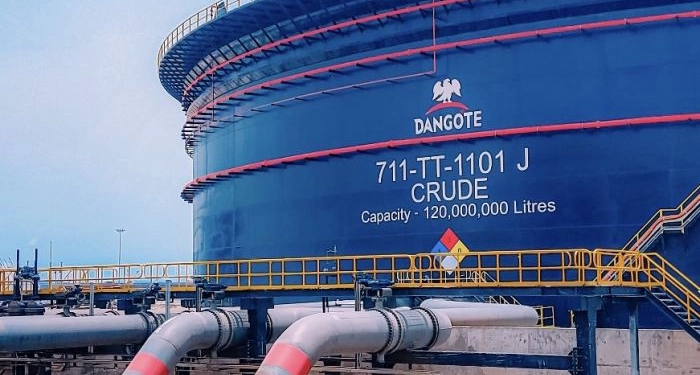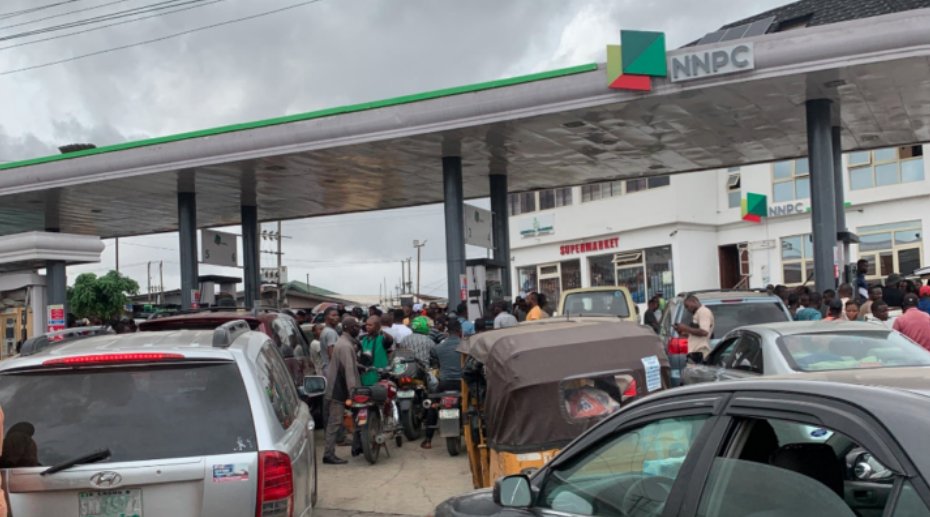

NNPC lowers petrol pump price to N740 per litre in Lagos, aligning with Dangote refinery rates as NMDPRA forecasts further nationwide drops
The Nigerian National Petroleum Company Limited (NNPC Limited) has lowered petrol pump prices at its Lagos filling stations to N740 per litre, a N45 reduction from the previous N785 rate.
Also read: Nigerian oil firms invest in modern fleets to fix offshore gaps
The adjustment brings NNPC’s rates in line with those of Dangote Refinery partners, such as MRS Oil, which currently sell petrol at N739 per litre.
Confirming the new price, Kunle Ajimobi, a fuel attendant at an NNPC station in Egbeda, Lagos, told Legit.ng that the revision was necessary to remain competitive.
“Yes, over the weekend, we adjusted our pumps to N740. We were losing customers because other stations around us were selling at lower prices than the previous N785 per litre,” he said.
Dangote Refinery had earlier instructed MRS stations to sell petrol at N739 per litre, noting its commitment to providing high-quality products at competitive rates and helping stabilise market prices.

The Nigerian Midstream and Downstream Petroleum Regulatory Authority (NMDPRA) has assured Nigerians that petrol, diesel, and liquefied petroleum gas (LPG) prices will continue to fall nationwide.
NMDPRA CEO Saidu Mohammed attributed the expected reductions to increased supply, growing competition, and ongoing private-sector investment in Nigeria’s oil and gas industry.
“The more supply we have, the lower the cost. This is already reflected in petrol prices, which have fallen from around N1,000 to N800 per litre due to competition,” Mohammed said.
Dangote Refinery’s ex-depot petrol price remains at N699 per litre, lower than imported fuel, intensifying competition in the domestic petroleum market.

Since December, the refinery has reduced its gantry price by N129 to ensure consumers pay no more than N740 per litre at MRS stations.
Also read: NOA hails Funke Akindele’s historic box office success
NNPC is expected to adjust fuel prices in Abuja and other states in the coming days as part of ongoing efforts to stabilise fuel costs.