
National grid collapse hits Nigeria as power generation crashes nationwide, plunging homes and businesses into darkness
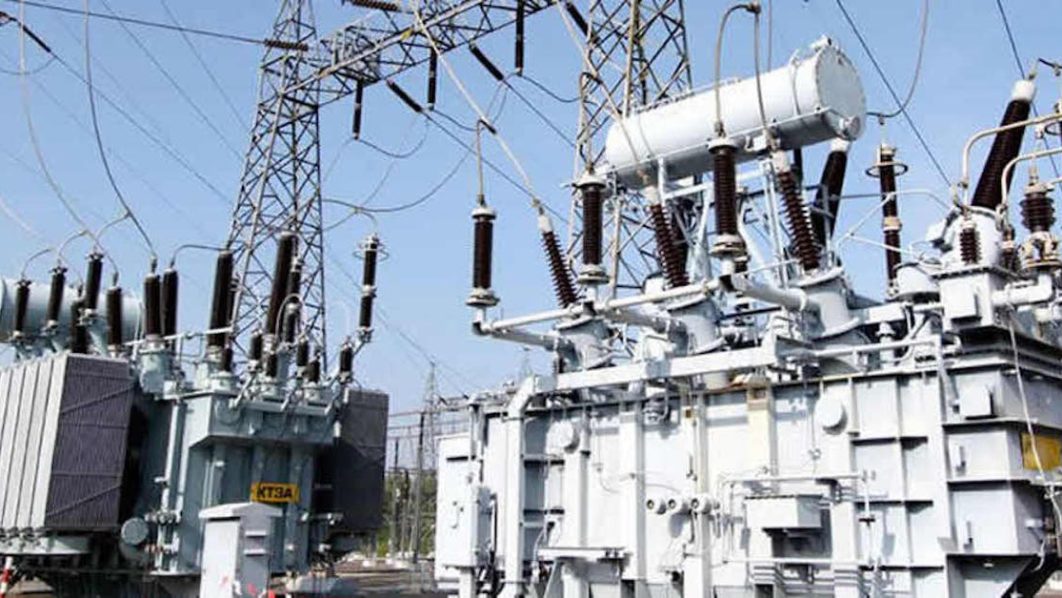
Nigeria’s national electricity grid collapsed on Monday afternoon after major power plants lost generation, plunging large parts of the country into darkness.
Also read: Funke Akindele’s Behind The Scenes crosses ₦1bn at Box Office
Checks by our correspondent showed that the grid went down at about 2 pm.
Power generation, which peaked at around 4,800 megawatts earlier in the day, crashed sharply to 139 MW by 3 pm, according to official system data.
The cause of the national grid collapse could not be immediately confirmed
However, the incident occurred amid ongoing efforts by the Nigerian Independent System Operator to ramp up generation following recent gas supply disruptions.
At the time of the collapse, all 22 power plants connected to the national grid reportedly lost generation.
Restoration efforts commenced later in the day, with several plants gradually returning to service.
By 6 pm, Azura Power had restored 403 MW, Delta Power supplied 152 MW, Kainji added 120 MW, Okpai contributed 204 MW, while Omotosho generated 30 MW. Available generation stood at about 900 MW as of that time.
The Eko Electricity Distribution Company confirmed the system failure in a statement to customers, urging patience.
“Kindly be informed that there was a system collapse at 14:01 hrs, which has resulted in a loss of power supply across our network,” the company said, adding that it was working with partners to restore supply.
The collapse comes weeks after widespread outages caused by the vandalisation of the Lagos–Escravos–Lagos gas pipeline.
Over the weekend, the system operator had announced improved generation following repairs to the damaged pipeline.
In a statement, NISO said increased gas supply from the Nigerian Gas Infrastructure Company had enabled affected thermal plants to resume operations gradually.
“Gradual power offtake is being carried out by the affected plants to ensure a smooth recovery and maintain grid stability,” the operator said.
Despite those assurances, Monday’s incident suggests a major setback in the recovery process.
NISO noted that additional thermal plants could be integrated into the grid once gas availability is fully confirmed.
The operator said it was working closely with power producers, gas suppliers and regulators to address operational challenges and prevent further disruptions.
Last week, the Minister of Power, Adebayo Adelabu, had assured Nigerians that electricity supply would stabilise within 24 to 48 hours following earlier gas-related outages.
Monday’s failure marks the second major grid collapse in 2025. In contrast, the grid collapsed 12 times in one previous year, highlighting persistent structural weaknesses.
Industry experts warn that repeated grid failures continue to hurt businesses and households.
The convener of PowerUp Nigeria, Adetayo Adegbemle, said the Federal Government must urgently reintegrate bulk electricity users into the national grid.
Also read: Tragic: Nigerian influencer LazyWrita reportedly commits suicide, leaves emotional farewell note
“We have allowed big consumers to exit the grid, leaving residential users to shoulder the burden,” he said, adding that redirecting private power spending back into the grid would improve stability and reduce costs.