
China removes gay dating apps Blued and Finka from stores after state order, Apple confirms, amid widening LGBTQ censorship
China removes gay dating apps Blued and Finka from local app stores after government regulators ordered their removal, Apple confirmed on Tuesday.
Also read: China urges respect for Nigeria amid US threat
The decision marks another tightening of online control over LGBTQ expression in the country.
Apple told AFP it had acted on a directive from the Cyberspace Administration of China (CAC), the government’s top internet regulator and censor.
“Based on an order from the Cyberspace Administration of China, we have removed these two apps from the China storefront only,” an Apple spokesperson said.
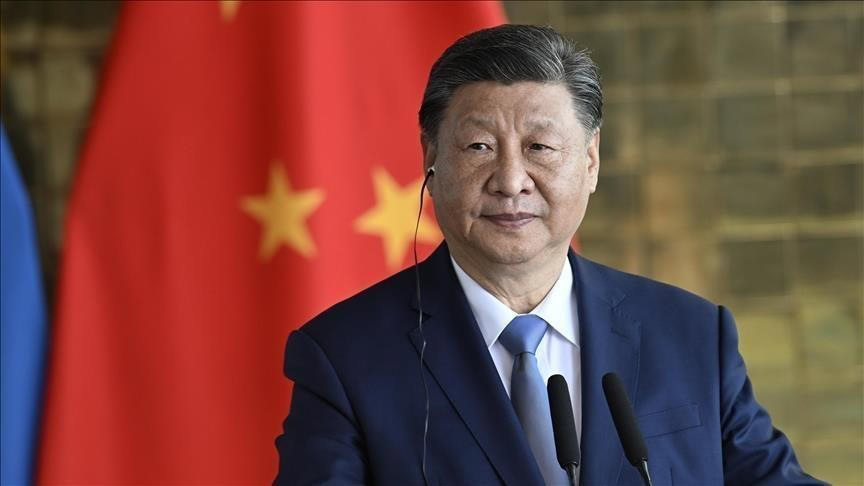
The move follows growing restrictions on queer visibility under President Xi Jinping, whose administration has intensified oversight of online spaces.

Activists say the removal of gay dating apps in China is part of a broader effort to curb LGBTQ advocacy and expression.
Blued and Finka, both owned by a Hong Kong-based company, had long been among the most popular gay social platforms in China.
Over the weekend, users noticed their disappearance from both Apple and Android app stores, prompting speculation that state authorities had intervened.
While same-sex marriage remains illegal in China, the country’s LGBTQ community has developed large online networks despite systemic discrimination.
The deletion of Blued and Finka is being seen by some as a blow to that fragile sense of visibility and connection.

Apple said it “follows the laws in the countries where we operate,” adding that an express version of Blued remains available in the Chinese store, while the international version, HeeSay, continues to operate abroad.
The China removes gay dating apps episode echoes similar actions in 2022, when the popular app Grindr was pulled from Chinese platforms ahead of the Beijing Winter Olympics as part of a broader CAC “clean-up” campaign.
Also read: China urges respect for Nigeria amid US threat
The removals underscore the government’s persistent scrutiny of digital spaces and signal that China’s tolerance for independent LGBTQ platforms continues to shrink under Xi’s leadership.